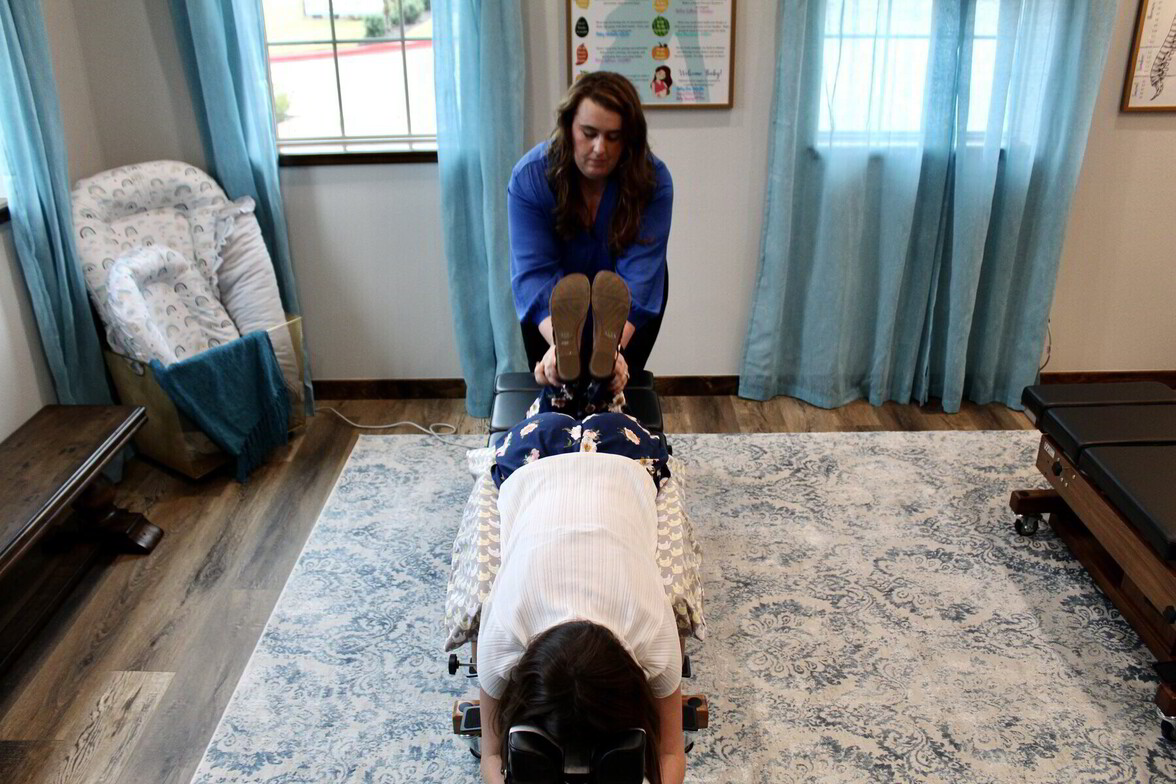
Understanding How the Body Functions as a Chain
The human body is designed to work as an integrated system. Every joint, muscle, ligament, and nerve contributes to movement and stability. When you walk, run, stand, or exercise, your feet absorb impact from the ground and transfer forces upward through the ankles, knees, hips, pelvis, and spine. Likewise, spinal alignment affects how those forces are distributed throughout the body.
When spinal alignment is compromised, changes in posture and movement patterns can place excessive stress on the lower extremities. Over time, these compensations may contribute to foot pain, ankle discomfort, and even recurring injuries. This is why many healthcare providers evaluate the entire body instead of focusing only on the location where pain occurs.
Why Foot Pain Is Not Always a Foot Problem
Many people assume that if their feet hurt, the problem must be located in the feet. While this is sometimes true, chronic foot pain often has contributing factors elsewhere in the musculoskeletal system.
Misalignments in the pelvis or spine can alter how a person walks and stands. These changes may cause uneven weight distribution, abnormal gait patterns, and increased pressure on certain parts of the foot.
Over time, these biomechanical stresses can lead to inflammation, tissue irritation, and chronic discomfort. This concept is especially important for individuals who have tried various treatments for foot pain without experiencing lasting relief.
Common Signs That Spinal Alignment May Be Affecting Your Feet
Many people experiencing foot pain also notice symptoms in other areas of the body. These additional signs may indicate that spinal alignment is contributing to the problem.
- Chronic foot pain that repeatedly returns
- Heel pain or plantar fasciitis symptoms
- Uneven wear patterns on shoes
- Hip, knee, or lower back pain
- Difficulty standing for long periods
- Changes in posture or walking mechanics
These symptoms often suggest that multiple parts of the body are involved and may benefit from a comprehensive evaluation.
The Relationship Between the Spine and Foot Function
The spine plays a critical role in maintaining balance, posture, and movement efficiency. It also protects the nervous system, which controls communication between the brain and the rest of the body.
Nerves that originate in the lower spine travel through the legs and ultimately influence muscles and tissues in the feet. When spinal joints become restricted or irritated, normal movement patterns may be affected. This doesn't mean every case of foot pain originates from the spine, but spinal dysfunction can contribute to abnormal biomechanics and nerve-related symptoms that affect the feet.
How Poor Posture Can Lead to Foot Pain
Posture affects far more than the appearance of standing upright. Poor posture changes how weight is distributed throughout the body and may increase stress on the feet.
For example, forward head posture, rounded shoulders, and pelvic imbalances can shift the body's center of gravity. As a result, the feet are forced to compensate to maintain balance. These compensations often create excessive strain on the arches, heels, ankles, and surrounding soft tissues. Over time, poor posture can contribute to conditions such as plantar fasciitis, Achilles tendon irritation, and chronic foot fatigue.
Plantar Fasciitis and Spinal Alignment
Plantar fasciitis is one of the most common causes of heel pain in America. It occurs when the plantar fascia, a thick band of tissue along the bottom of the foot, becomes irritated and inflamed. While local inflammation plays a role, underlying biomechanical issues often contribute to recurring symptoms.
Spinal misalignments, pelvic imbalances, and altered walking mechanics may increase tension on the plantar fascia. If these contributing factors are not addressed, symptoms may continue to return even after temporary relief.
The Impact of Modern Lifestyles on Foot and Spine Health
Today's lifestyles place significant stress on both the spine and feet. Long hours of sitting, remote work, smartphone use, and reduced physical activity have contributed to widespread posture-related problems.
At the same time, many occupations require standing for extended periods on hard surfaces. Healthcare workers, teachers, retail employees, warehouse staff, and service industry professionals often experience both foot pain and spinal stress simultaneously. The combination of sedentary habits and repetitive workplace demands can create movement dysfunctions that affect the entire body.
How Chiropractic Care May Help Address Foot Pain
Chiropractic care focuses on optimizing joint function, mobility, posture, and movement patterns throughout the body. Rather than simply treating symptoms, chiropractors evaluate how different areas of the body interact and influence one another.
A chiropractic assessment may include examination of spinal alignment, pelvic positioning, gait mechanics, posture, and lower extremity function. Depending on the individual's needs, treatment may involve spinal adjustments, joint mobilization, corrective exercises, posture recommendations, and movement education.
Why a Whole-Body Approach Matters
When dealing with chronic foot pain, focusing only on the painful area may overlook important contributing factors. The body functions as a connected system, meaning dysfunction in one region can affect multiple other areas. Addressing spinal alignment, posture, movement patterns, and overall biomechanics may help improve how forces are distributed throughout the body.
This whole-body approach often provides a more comprehensive understanding of why symptoms developed and what can be done to support long-term recovery. Individuals who have struggled with recurring foot pain frequently benefit from evaluating factors beyond the foot itself.
Preventing Foot Pain Through Better Movement and Alignment
Preventive care is becoming increasingly important as more people seek to remain active throughout life. Maintaining healthy posture, staying physically active, wearing supportive footwear, and addressing mobility limitations early may help reduce the risk of chronic foot pain.
Regular exercise, stretching, balance training, and spinal wellness care can also contribute to better movement efficiency and lower injury risk. Many individuals discover that taking proactive steps before symptoms become severe helps them maintain mobility, independence, and overall quality of life.
Why More Americans Are Looking Beyond the Foot for Answers
Healthcare trends continue to shift toward identifying root causes rather than simply treating symptoms. Patients increasingly want to understand why pain develops and how they can prevent it from returning.
The relationship between spinal alignment and foot pain highlights the importance of evaluating the body as a complete system. By addressing movement dysfunctions, posture issues, and biomechanical imbalances, individuals may experience more meaningful and lasting improvements.
Take the First Step Toward Better Mobility
Chronic foot pain can make walking, exercising, working, and enjoying daily activities more difficult than they should be. While many people focus exclusively on the foot itself, underlying issues involving spinal alignment, posture, and movement mechanics may also contribute to symptoms.
Understanding the hidden connection between foot pain and spinal health can provide valuable insight into long-term recovery and prevention. Addressing the body as a whole may help improve mobility, reduce discomfort, and support overall wellness.
Book Your Consultation Today
If you're struggling with foot pain, heel pain, plantar fasciitis, posture issues, or recurring mobility problems, professional chiropractic care may help uncover the underlying cause of your symptoms.
At Vitality Chiropractic in Keller, TX , we take a comprehensive approach to musculoskeletal health by evaluating spinal alignment, posture, movement patterns, and overall body function. Our personalized care plans are designed to help patients improve mobility, reduce pain, and support long-term wellness naturally.
Whether you're dealing with chronic foot pain or looking for preventive care to stay active and healthy, our team is here to help.

Brandi Barker
Contact Me