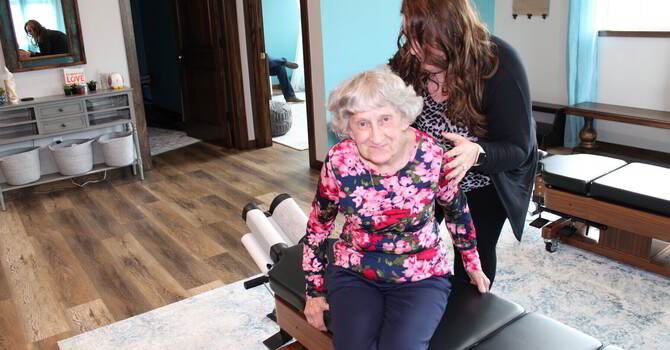
What Is Musculoskeletal Health?
Your musculoskeletal system is responsible for much more than athletic performance. It supports your posture, protects internal structures, stabilizes your joints, and allows you to walk, bend, lift, reach, and perform everyday tasks. Good musculoskeletal health depends on maintaining adequate muscle strength, joint mobility, flexibility, coordination, balance, and healthy movement patterns.
Problems can develop for many reasons, including prolonged sitting, repetitive movements, sports injuries, poor ergonomics, inactivity, aging, or previous injuries. Common concerns include lower back pain, neck pain, shoulder pain, knee pain, hip discomfort, muscle stiffness, and limited range of motion. Because movement plays such an important role in musculoskeletal health, tracking movement throughout the day can be useful.
How Fitness Trackers Encourage More Movement
One of the biggest benefits of fitness trackers is that they make physical activity visible. Someone who believes they are active throughout the day may discover that they spend eight or nine hours sitting and take only a few thousand steps. Seeing that information can encourage simple changes, such as taking walking breaks, using stairs, standing periodically, or adding a short mobility routine.
Many devices provide reminders when users have been inactive for extended periods. These reminders may be particularly helpful for people who work at a desk or spend significant time using computers. Regular movement can help reduce the effects of prolonged inactivity and support joint mobility, muscle function, circulation, and overall physical wellness. The goal is not necessarily to reach an arbitrary step count. Instead, the tracker can encourage consistency and help people develop a lifestyle that includes more movement.
Can Step Tracking Help With Back Pain and Joint Health?
Walking is one of the simplest forms of physical activity, and for many people, it can be an accessible way to stay active. Regular walking can help maintain lower-body strength and mobility while encouraging people to spend less time sitting. For individuals managing certain types of back pain or joint stiffness, appropriate low-impact movement may be part of a broader wellness strategy.
However, more steps are not automatically better. Someone experiencing significant knee pain, hip pain, foot pain, or lower back pain should not simply increase their activity without considering the reason for their symptoms. Increasing activity too quickly can sometimes aggravate an existing problem. Fitness trackers are therefore most useful when they help you understand your normal activity level rather than encouraging you to chase numbers at any cost.
Fitness Trackers Can Reveal Your Daily Movement Patterns
A fitness tracker can provide information that is difficult to notice without data. For example, you might discover that your activity is concentrated into one intense workout while you remain mostly sedentary for the rest of the day. Another person may notice that their daily steps drop significantly whenever their back or joints feel uncomfortable.
Over time, these patterns can provide valuable insight. Tracking activity alongside symptoms can help you identify relationships between your lifestyle and how your body feels. For example, you may notice increased stiffness after several days of low activity or discomfort after suddenly increasing your workout intensity. This information can be useful when discussing your concerns with a chiropractor, physical therapist, physician, or other qualified healthcare professional.
What Fitness Trackers Can and Cannot Tell You
Wearable technology can provide helpful information, but it has important limitations. A tracker may estimate your steps, activity levels, heart rate, sleep, or workout intensity, but it cannot determine the underlying cause of musculoskeletal pain.
Some of the most useful information a fitness tracker can provide includes:
- Daily step count and overall activity level
- Periods of prolonged inactivity
- Workout frequency and duration
- Changes in activity patterns
- Heart rate trends during exercise
- Sleep duration and recovery patterns
- Progress toward personal movement goals
This information should be viewed as a tool for awareness rather than a medical diagnosis. For example, a smartwatch cannot tell you whether your back pain is caused by muscle strain, poor movement mechanics, a disc-related problem, joint irritation, or another condition. Persistent or worsening pain should be evaluated appropriately rather than diagnosed through wearable data.
The Connection Between Activity, Mobility, and Musculoskeletal Wellness
Your body is designed to move. Regular physical activity helps maintain muscle function and supports mobility throughout the lifespan. When movement becomes limited, muscles and joints may become less accustomed to everyday demands.
This does not mean that every person needs intense workouts. For many people, consistent walking, stretching, mobility exercises, strength training, and recreational activities can provide meaningful benefits.
Fitness trackers can make these habits easier to monitor. Someone working toward better mobility might use a tracker to establish a baseline and gradually increase activity. An individual recovering from an injury may use activity data to avoid suddenly exceeding their normal workload, provided their healthcare professional recommends activity monitoring. The most important factor is consistency rather than perfection.
Can Wearables Help Improve Posture?
Some modern wearable devices and apps attempt to provide posture-related feedback. This can make people more aware of how they position their bodies during work or daily activities. However, posture is more complicated than simply sitting or standing in one “perfect” position. The bigger issue is often staying in the same position for too long. Even a relatively comfortable posture can become uncomfortable when maintained for hours without movement.
For desk workers, combining ergonomic improvements with regular movement breaks may be more useful than focusing exclusively on posture. Standing up, walking for a few minutes, changing positions, and performing simple mobility exercises throughout the workday can help create a more movement-friendly environment.
Using Fitness Trackers Without Becoming Obsessed With Numbers
One potential downside of wearable technology is becoming overly focused on metrics. A person may feel unsuccessful because they did not reach a specific step goal, even though they were recovering from an injury or simply had a demanding day. Others may push through pain because their tracker tells them they have not completed their workout goal.
Musculoskeletal health is not measured by a single number. A better approach is to use wearable data as feedback. Look for long-term patterns rather than judging your health based on one day. Your goals should reflect your individual needs, fitness level, age, injury history, and overall health. If you are experiencing pain, your activity goals may need to be adjusted rather than increased.
How to Use a Fitness Tracker for Better Musculoskeletal Health
A fitness tracker becomes more useful when it supports healthy habits instead of replacing professional guidance. Start by establishing your normal activity level. Once you understand how much you typically move, you can make gradual changes. Try incorporating short walking breaks during the workday, maintaining a consistent exercise routine, and including strength and mobility exercises appropriate for your abilities.
Pay attention to how your body responds. If a particular activity repeatedly causes pain, swelling, or significant discomfort, do not assume that pushing harder will solve the problem. Consider discussing the symptoms with an appropriate healthcare professional. You can also use your tracker to look at the bigger picture. Activity, sleep, recovery, exercise frequency, and daily movement can all provide context when evaluating your overall wellness.
When Musculoskeletal Pain Should Not Be Ignored
Fitness tracking can encourage healthy movement, but it should never replace evaluation when symptoms persist. If you experience ongoing lower back pain, neck pain, joint pain, recurring muscle tension, limited mobility, or discomfort that interferes with everyday activities, professional assessment may help determine what is contributing to the problem.
Similarly, sudden or severe pain, significant swelling, weakness, numbness, or symptoms following a serious injury should receive appropriate medical attention. A fitness tracker can tell you what you are doing, but it cannot always explain why your body hurts. Understanding that distinction is essential for using wearable technology responsibly.
The Future of Wearable Technology and Musculoskeletal Care
As wearable technology continues to develop, fitness trackers may become increasingly useful for monitoring movement, recovery, exercise patterns, and other aspects of physical wellness. The most valuable role of these devices may be helping people become more aware of their everyday habits.
Instead of waiting until pain becomes severe before changing your routine, wearable data can encourage earlier attention to inactivity, inconsistent exercise, or changes in movement patterns. Combined with personalized exercise, mobility training, ergonomic improvements, chiropractic care when appropriate, and other evidence-informed approaches, wearable technology can become one part of a broader strategy for maintaining musculoskeletal health.
Book a Musculoskeletal Wellness Consultation
Your fitness tracker can provide useful information about how much you move, but improving musculoskeletal health requires more than reaching a daily step goal. Healthy movement involves mobility, strength, flexibility, recovery, posture, and understanding what your body needs.
If you are experiencing back pain, neck pain, joint discomfort, stiffness, reduced mobility, or simply want to take a more proactive approach to your physical wellness, Vitality Chiropractic in Keller, TX can help you explore appropriate options based on your individual needs. Contact today to book a consultation or wellness session and take the next step toward moving more comfortably and confidently.

Brandi Barker
Contact Me