What Is Spinal Misalignment?
Spinal misalignment occurs when the vertebrae in the spine move out of their proper position or fail to function correctly. Chiropractors often refer to these imbalances as subluxations. When the spine is not properly aligned, it can place stress on surrounding muscles, joints, ligaments, and nerves. This may affect how the body moves, feels, and functions on a daily basis.
Spinal misalignment can develop gradually due to repetitive stress, poor posture, injuries, sedentary lifestyles, sports activities, or even everyday habits such as looking down at phones for extended periods. Over time, these imbalances may contribute to chronic pain, stiffness, reduced flexibility, and nervous system irritation.
Why Spinal Alignment Matters
The spine protects the spinal cord, which is one of the most important parts of the nervous system. The nervous system controls communication between the brain and body, influencing movement, coordination, muscle function, and overall physical performance.
When the spine is functioning properly, the body can move more efficiently and experience less physical stress. However, spinal misalignment can disrupt these processes and contribute to discomfort or mobility limitations.
Common Signs Your Spine May Be Misaligned
Spinal misalignment often develops slowly, which means many people ignore the early warning signs until discomfort becomes more severe.
Some symptoms may seem unrelated to spinal health at first, but they can indicate underlying structural stress or nervous system interference.
- Chronic neck pain or lower back pain
- Frequent headaches or migraines
- Poor posture or uneven shoulders
- Muscle stiffness and reduced flexibility
- Tingling or numbness in the arms or legs
- Difficulty standing or sitting comfortably for long periods
These symptoms may vary from person to person depending on the location and severity of the spinal imbalance.
Chronic Back Pain and Spinal Stress
One of the most common indicators of spinal misalignment is persistent back pain. When the spine is not properly aligned, certain muscles and joints are forced to work harder to stabilize the body.
This extra stress can lead to inflammation, muscle tension, joint irritation, and pressure on spinal discs. Over time, these issues may contribute to chronic lower back pain, upper back discomfort, or sciatica symptoms.
Neck Pain, Tech Neck, and Modern Lifestyle Habits
Technology has significantly changed how people use their bodies every day. Long hours spent looking at phones, tablets, and computers have contributed to a growing condition commonly known as “tech neck.”
Forward head posture places additional stress on the cervical spine and surrounding muscles. This strain may lead to neck pain, shoulder tension, headaches, and reduced mobility.
As remote work and screen time continue to increase, chiropractors are seeing more patients experiencing posture-related spinal issues than ever before.
Poor Posture and Spinal Imbalance
Posture plays a major role in spinal health. Slouching, rounded shoulders, and uneven weight distribution can gradually affect spinal alignment and muscle balance. Poor posture often develops from sitting for extended periods, using non-ergonomic workstations, or repetitive movement patterns. Over time, the body adapts to these unhealthy positions, increasing stress on the spine.
Many people with spinal misalignment notice posture changes before they experience significant pain. Addressing posture issues early may help reduce the risk of chronic spinal problems later in life.
Headaches and Nervous System Tension
Frequent headaches and migraines may also be linked to spinal misalignment, especially when tension affects the neck and upper spine.
When muscles surrounding the cervical spine become tight or irritated, they can contribute to tension headaches and restricted movement. Nerve irritation caused by spinal imbalance may also play a role in headache-related symptoms.
How Chiropractic Care Helps Correct Spinal Misalignment
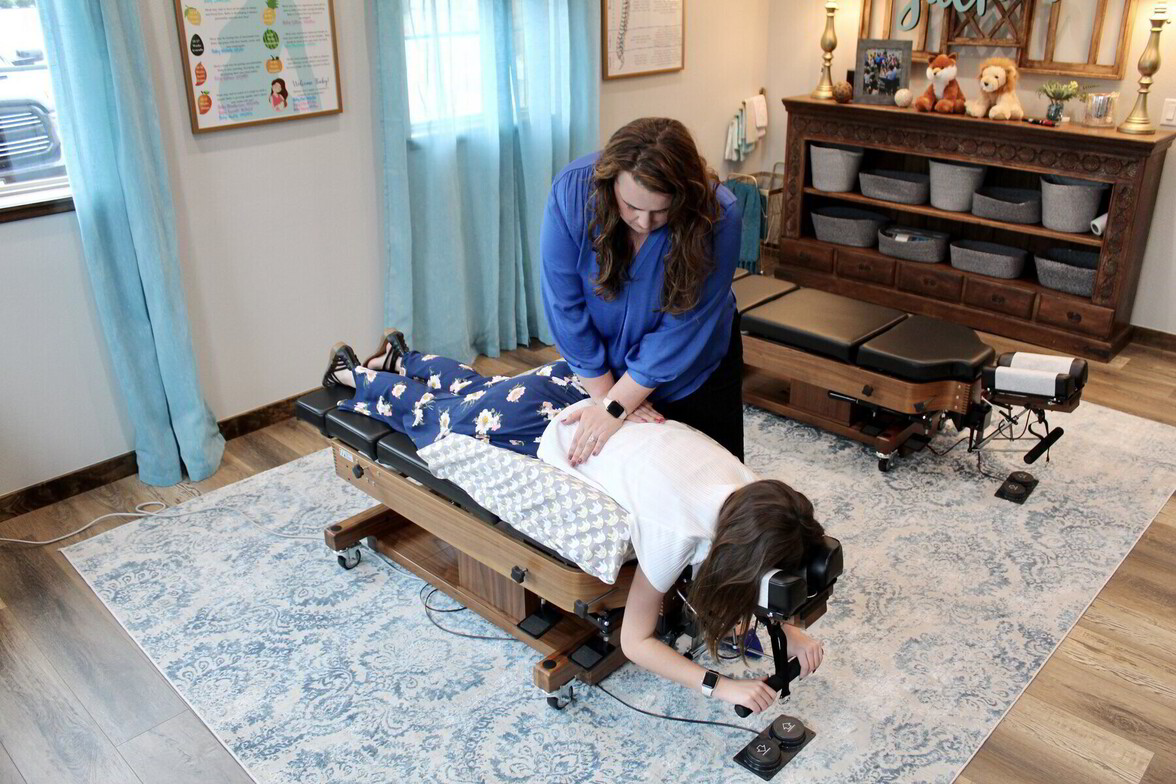
Chiropractic care focuses on improving spinal function, restoring mobility, and supporting nervous system health through targeted spinal adjustments and therapeutic techniques.
Rather than masking symptoms with medication, chiropractors aim to address the root cause of spinal stress and movement dysfunction.
Chiropractic adjustments are designed to improve alignment, reduce pressure on joints and nerves, and restore healthier movement patterns throughout the body.
Daily Habits That Support Better Spinal Health
Maintaining healthy spinal alignment requires more than occasional treatment. Everyday habits play a major role in how the spine functions over time.
Simple changes such as improving posture, taking movement breaks, stretching regularly, and creating ergonomic workspaces can significantly reduce stress on the spine.
Exercise, core strengthening, and staying physically active also help support spinal stability and flexibility. Reducing prolonged sitting and limiting screen-related strain can further improve posture and overall spinal wellness.
When to Seek Professional Chiropractic Care
While occasional discomfort may seem harmless, persistent symptoms should not be ignored. Chronic pain, numbness, reduced mobility, or recurring headaches may indicate deeper spinal issues that require professional attention.
A chiropractor can evaluate spinal alignment, posture, and movement patterns to identify areas of dysfunction and create a personalized care plan tailored to your needs. Early intervention may help prevent minor spinal imbalances from developing into more serious chronic conditions that affect quality of life.
Why More Americans Are Prioritizing Spinal Wellness in 2026
In 2026, spinal health has become a major focus in preventive healthcare and wellness. Increased screen time, sedentary lifestyles, and stress-related tension are contributing to rising levels of neck pain, back pain, and posture-related issues.
At the same time, more people are seeking natural and non-invasive approaches to pain relief and long-term wellness. Chiropractic care continues to grow in popularity because it focuses on improving function, mobility, and quality of life naturally.
Take the First Step Toward Better Spinal Health
Your spine affects far more than just posture—it influences how your entire body moves and functions. Ignoring signs of spinal misalignment may allow discomfort and mobility issues to worsen over time. The good news is that many spinal issues can be addressed naturally through chiropractic care, posture correction, and healthier movement habits.
By taking proactive steps now, you can support better mobility, reduce physical stress, and improve your overall quality of life.
Book Your Consultation Today
If you’re experiencing back pain, neck pain, poor posture, headaches, or other symptoms related to spinal misalignment, professional chiropractic care may help you find long-term relief.
At Vitality Chiropractic in Keller, TX , we specialize in spinal alignment, posture correction, and natural chiropractic care designed to improve mobility, reduce pain, and support overall wellness. Our personalized treatment plans are tailored to your unique needs and lifestyle.
Whether you’re dealing with chronic discomfort, posture-related stress, or looking for preventive spinal wellness care, our team is here to help.

Brandi Barker
Contact Me