What Is Sciatica?
Sciatica refers to irritation or compression of the sciatic nerve, the largest nerve in the body. This nerve begins in the lower spine and travels through the hips and buttocks down each leg. When pressure is placed on the nerve roots in the lumbar spine, pain can radiate along this pathway.
Sciatic nerve pain is commonly caused by herniated discs, spinal misalignment, degenerative disc disease, or muscle tension in the lower back and hips. In the United States, prolonged sitting, sedentary work environments, and poor posture are major contributors to the rise in sciatica cases.
Because the sciatic nerve affects both sensation and movement, symptoms can range from mild discomfort to intense pain accompanied by weakness or numbness.
Recognizing the Symptoms of Sciatic Nerve Pain
Sciatica symptoms vary depending on the severity and location of nerve compression. Some individuals experience intermittent pain, while others deal with constant discomfort that disrupts daily activities.
Common symptoms include:
- Radiating pain from the lower back into the buttock and leg
- Sharp or burning sensations along one side of the body
- Numbness or tingling in the leg or foot
- Muscle weakness in the affected leg
- Increased pain after prolonged sitting or standing
If these symptoms persist, seeking early evaluation can prevent the condition from becoming chronic.
Why Sciatica Is Increasing in Modern Lifestyles
Today’s lifestyle habits significantly impact spinal health. Many Americans spend hours sitting at desks, commuting, or using digital devices. This prolonged seated posture places increased pressure on the lumbar discs and surrounding nerves.
Over time, reduced mobility and poor ergonomics can contribute to spinal misalignment and disc stress. Repetitive lifting, sports injuries, and age-related degeneration further increase the risk of sciatic nerve compression.
Ignoring early warning signs often allows inflammation and nerve irritation to worsen. That is why more patients are turning to conservative care options such as chiropractic treatment to correct structural imbalances before they progress.
How Chiropractic Care Treats Sciatica Naturally
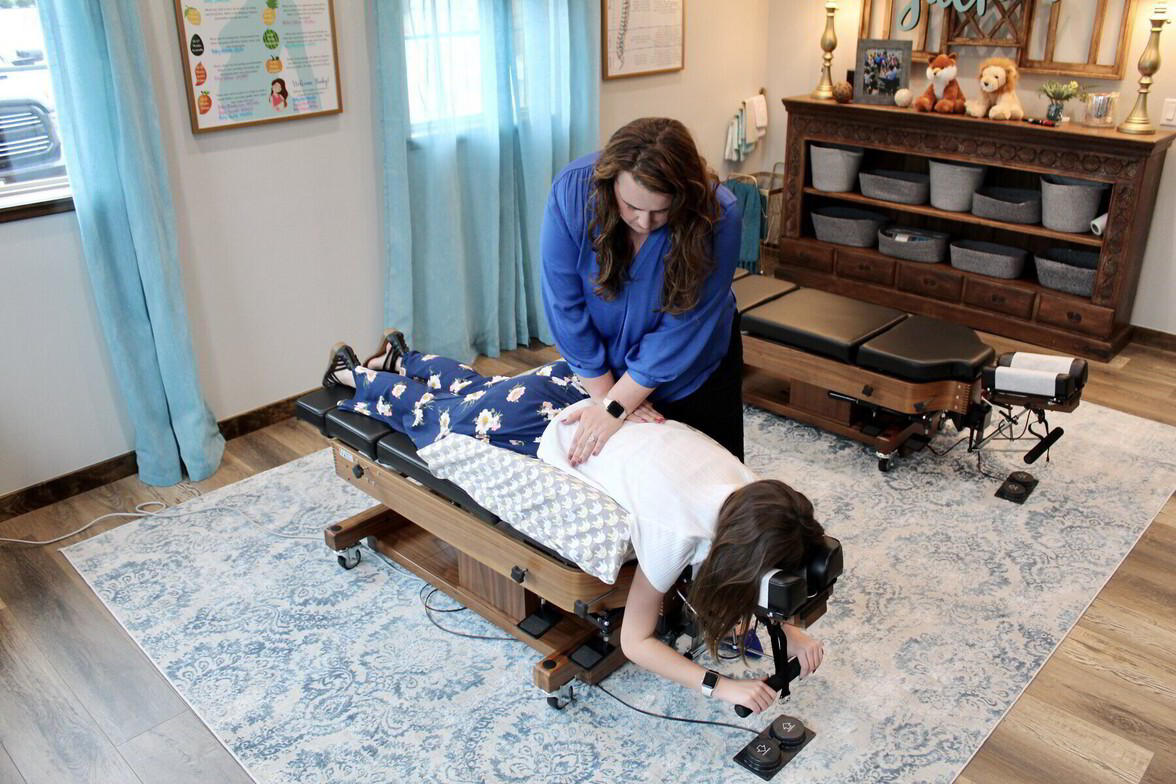
Chiropractic care focuses on restoring proper alignment to the spine, which helps reduce pressure on irritated nerve roots. Gentle spinal adjustments improve joint motion and support optimal nervous system function.
When vertebrae in the lower back are misaligned, they can contribute to disc bulging or narrowing of nerve pathways. By correcting these misalignments, chiropractic adjustments relieve tension and create space for healing.
In addition to spinal adjustments, treatment plans may include targeted stretching, strengthening exercises, and posture correction strategies. This comprehensive approach addresses both the source of pain and the lifestyle factors contributing to it.
Unlike medications that temporarily reduce inflammation, chiropractic care works to improve long-term spinal stability and function.
Benefits of Non-Surgical Sciatica Treatment
Many patients prefer to avoid surgery unless absolutely necessary. Fortunately, most sciatica cases respond well to conservative treatment when addressed early.
Choosing chiropractic care for sciatic nerve pain offers several advantages. It is a drug-free treatment option, reducing the risk of side effects associated with long-term medication use. There are no incisions, injections, or lengthy recovery periods. Most patients can continue normal activities during treatment.
Additionally, chiropractic care emphasizes correcting the root cause of nerve irritation rather than masking discomfort. By restoring alignment and improving biomechanics, patients often experience sustained relief and improved mobility.
What to Expect During Treatment
The first step in sciatica treatment involves a thorough assessment of spinal alignment, posture, and nerve function. This evaluation helps identify the exact source of compression and guides the development of a personalized care plan.
Spinal adjustments are typically gentle and precise. Many patients report feeling relief after the initial sessions, though complete recovery depends on the severity of the condition and how long symptoms have been present.
Education plays an essential role in recovery. Patients are guided on improving sitting posture, adjusting workstation ergonomics, and incorporating mobility exercises into daily routines. These strategies help prevent recurrence and support ongoing spinal health.
Long-Term Prevention and Spinal Health
Relief from sciatica does not end with symptom reduction. Maintaining spinal alignment and healthy movement patterns is crucial for preventing future flare-ups.
Regular chiropractic checkups can help detect minor misalignments before they cause nerve irritation. Staying active, maintaining a healthy weight, and practicing proper lifting techniques also reduce stress on the lower back.
As awareness of natural pain management grows across the United States, more individuals are embracing preventative chiropractic care as part of their overall wellness routine.
When to Seek Professional Help
Occasional back discomfort may resolve on its own, but persistent leg pain, numbness, or muscle weakness should not be ignored. Delaying treatment can lead to prolonged inflammation and slower recovery.
If sciatica symptoms interfere with work, sleep, or daily activities, it is important to seek evaluation from a qualified healthcare provider experienced in non-surgical spine care. Early intervention often leads to faster improvement and better long-term outcomes.
Gentle Sciatica Relief Is Within Reach
Sciatica can be painful and frustrating, but surgery is not the only option. With gentle, effective chiropractic care, many patients find meaningful relief from sciatic nerve pain while improving mobility and overall function.
If you are searching for safe, non-surgical sciatica pain treatment, schedule a consultation with Vitality Chiropractic in Keller, TX to learn how personalized chiropractic care can help you return to a more comfortable, active lifestyle.

Brandi Barker
Contact Me