Why Movement Matters as You Age
Movement is essential at every stage of life, but it becomes especially important as we get older. Regular physical activity helps maintain muscle strength, joint mobility, flexibility, balance, and coordination. When people become less active, the body can gradually lose some of the strength and mobility needed for everyday movement. Spending long periods sitting or avoiding activities because of stiffness can create a cycle in which reduced activity leads to even less confidence in movement.
Staying active helps interrupt that cycle. Walking, stretching, strength training, swimming, cycling, and other appropriate forms of exercise can help keep the body moving and support a healthier lifestyle. The goal isn't necessarily to exercise harder. It's to keep moving consistently in ways that are appropriate for your individual abilities and needs.
How Aging Can Affect Mobility
The aging process can bring natural changes to the musculoskeletal system. Muscle mass and strength may gradually decrease, flexibility can change, and joints may feel stiffer after periods of inactivity. These changes don't mean that mobility has to disappear. Instead, they highlight the importance of maintaining healthy movement habits.
Regular physical activity can help preserve strength and function, while mobility exercises can help keep the body moving through comfortable ranges of motion. For older adults, maintaining mobility can also contribute to independence. Being able to walk comfortably, get up from a chair, reach overhead, and perform daily activities allows people to continue participating in the activities that matter to them.
The Connection Between Strength and Mobility
Mobility isn't only about flexibility. Strength plays an equally important role. Strong muscles help stabilize and support the body's joints while making everyday movements more efficient. Strength in the legs, hips, core, and upper body can contribute to better balance and functional movement.
For example, strong leg muscles can make it easier to climb stairs or rise from a chair. A stronger core can help support everyday activities that involve bending, lifting, and reaching. Combining strength exercises with mobility work provides a more complete approach to healthy aging and physical wellness.
Simple Ways to Support Better Movement
You don't need a complicated fitness program to start improving your movement habits. Small, consistent changes can become an important part of your daily routine. Walking regularly is one of the simplest ways to stay active. Gentle stretching can help maintain flexibility, while appropriate strength exercises can support muscle function. Activities such as swimming and water-based exercise can also provide low-impact ways to stay physically active.
Balance exercises are another important consideration as people age. Practicing controlled movements and maintaining strength can support stability and confidence during everyday activities. The most effective routine is one that you can perform consistently and safely.
Everyday Habits That Support Healthy Aging
Healthy aging involves more than exercise. Your everyday lifestyle can have a significant influence on how you feel and move.
Consider these habits as part of your overall wellness routine:
- Stay physically active throughout the week.
- Take regular movement breaks if you sit for long periods.
- Include strength and mobility exercises in your routine.
- Maintain good posture during everyday activities.
- Get adequate sleep and allow your body time to recover.
- Stay hydrated and maintain a balanced diet.
- Maintain a healthy body weight appropriate for your individual needs.
- Pay attention to changes in balance, strength, flexibility, or mobility.
- Choose activities that you enjoy so staying active becomes sustainable.
These habits work together rather than independently. A consistent approach to wellness can help support physical function and quality of life as you get older.
Why Flexibility Becomes Important With Age
Flexibility allows joints and muscles to move comfortably through their available range of motion. When flexibility decreases, everyday movements can feel more restricted. Gentle stretching and regular movement can help maintain flexibility and reduce the effects of prolonged inactivity.
However, stretching should not be forced. Pain isn't a requirement for effective flexibility work. Slow, controlled movements are generally more appropriate than aggressively pushing a joint or muscle beyond its comfortable range. If you have an existing injury or medical condition, it is important to discuss appropriate exercises with a qualified healthcare professional.
Mobility and Balance Are Connected
Good balance depends on several systems working together, including muscle strength, joint mobility, coordination, vision, and the nervous system. As people age, maintaining balance becomes increasingly important because reduced stability can make everyday activities more difficult.
Activities that challenge balance in a safe and controlled environment can help people remain confident in their movement. Walking regularly, performing appropriate strengthening exercises, and practicing mobility can all contribute to a more active lifestyle. If you notice significant changes in your balance or coordination, professional evaluation is important to determine what may be contributing to those changes.
How Chiropractic Care Can Support Healthy Aging
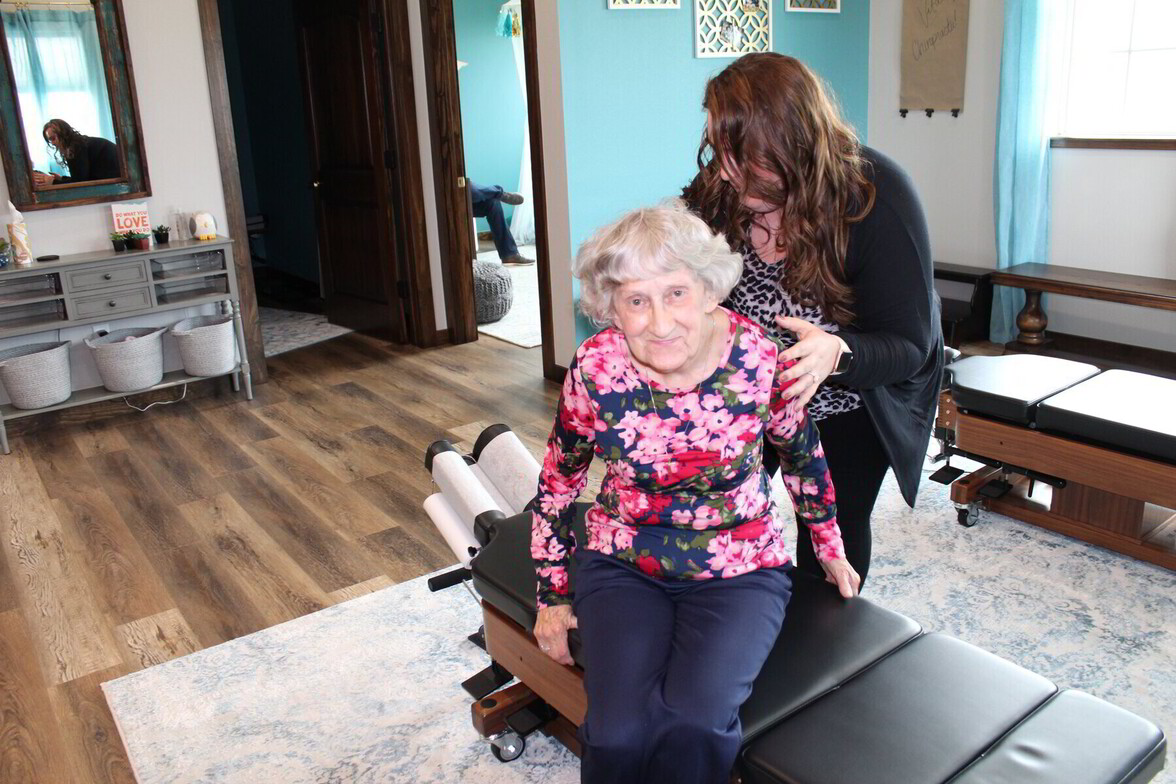
Chiropractic care can be part of a broader approach to musculoskeletal health and wellness for older adults. A chiropractor may evaluate spinal and joint mobility, posture, movement patterns, and other aspects of musculoskeletal function. Based on an individual's needs, care may include chiropractic adjustments, mobility exercises, stretching recommendations, strengthening guidance, posture education, and lifestyle recommendations.
The purpose of chiropractic care isn't simply to address discomfort. It can also focus on supporting healthy movement and helping patients remain active. For adults experiencing recurring stiffness, limited mobility, or musculoskeletal discomfort, an individualized evaluation can help identify areas that may benefit from additional attention.
Staying Active After 50, 60, and Beyond
There is no universal age at which people need to stop being active. In fact, maintaining physical activity can become increasingly valuable as you get older. Adults over 50 can continue participating in many different activities, including walking, hiking, swimming, cycling, recreational sports, strength training, yoga, and other forms of exercise.
The key is adapting activities to your current fitness level and abilities rather than assuming that aging automatically means becoming inactive. A gradual approach can allow you to build strength and confidence while reducing the likelihood of overdoing a new activity.
Don't Ignore Persistent Stiffness or Pain
Occasional stiffness can happen to anyone, particularly after sleeping in an unusual position, exercising, or remaining seated for an extended period. Persistent or worsening pain is different.
If discomfort continues, repeatedly returns, limits your ability to exercise, interferes with sleep, or affects your everyday activities, it may be worth having the problem professionally evaluated. Waiting for symptoms to become severe can make it harder to maintain an active lifestyle. Addressing concerns early may help you better understand what is contributing to changes in your movement.
Movement Is an Investment in Independence
One of the biggest benefits of maintaining mobility as you age is independence. Being able to walk, bend, reach, lift, climb stairs, and move confidently allows you to continue participating in everyday life without unnecessary limitations.
Healthy aging isn't about trying to move like you did decades ago. It's about preserving the ability to move safely and comfortably today. Your goals may change over time, but movement remains an important part of maintaining quality of life.
Building a Long-Term Wellness Plan
Aging well requires consistency. There is no single exercise, treatment, or wellness strategy that can prevent every physical change associated with getting older. Instead, think about creating a long-term plan that combines regular physical activity, strength training, mobility exercises, balanced nutrition, quality sleep, stress management, and appropriate professional care.
Regular wellness evaluations can also help you stay aware of changes in your movement and musculoskeletal health. The earlier you make movement part of your lifestyle, the easier it can become to maintain those habits over time.
The Bottom Line: Keep Moving, Keep Living
Healthy aging isn't about avoiding every ache or physical change. It's about giving your body the support it needs to remain active, functional, and capable throughout every stage of life.
Maintaining strength, flexibility, balance, and joint mobility can help you continue enjoying the activities that make life meaningful. Whether you're approaching your 50s, 60s, 70s, or beyond, it's never too late to develop healthier movement habits. Small improvements made consistently can contribute to better mobility and a more active lifestyle over time.
Take the Next Step Toward Healthy Aging
At Vitality Chiropractic in Keller, TX , we help adults take a proactive approach to their mobility, joint health, spinal health, and overall wellness. Our personalized chiropractic care is designed around your individual needs, activity level, and health goals, with a focus on supporting comfortable movement and an active lifestyle.
If stiffness, reduced mobility, or recurring discomfort is making it harder to stay active, consider scheduling a consultation to discuss your concerns and learn whether chiropractic care may be appropriate for you.

Brandi Barker
Contact Me