Why Does Weather Seem to Affect Pain?
The human body constantly responds to its surrounding environment. Changes in temperature, humidity, atmospheric pressure, and physical activity levels can influence how muscles and joints feel. Some people are more sensitive to these changes than others. Individuals living with arthritis, chronic back pain, previous injuries, or other musculoskeletal conditions may be particularly aware of changes in their symptoms during certain weather conditions.
However, it is important to understand that the relationship is complex. Weather may be one factor that influences pain perception, but it is rarely the only explanation for why symptoms increase or decrease. Lifestyle changes that happen alongside weather changes can also play a role.
Cold Weather and Joint Stiffness
Cold temperatures are frequently associated with increased feelings of stiffness and discomfort. When temperatures drop, people may naturally move less, spend more time indoors, or avoid physical activity. Reduced movement can cause muscles and joints to feel stiff, particularly after sitting or remaining in one position for an extended period.
Cold weather may also cause muscles to tighten, which can make existing discomfort feel more noticeable. For individuals already experiencing chronic back pain, joint stiffness, or arthritis symptoms, staying warm and maintaining regular movement can be particularly helpful. Rather than avoiding activity altogether during colder months, gentle movement can help keep the body flexible and support healthy circulation.
Can Rain and Humidity Cause Joint Pain?
Many people claim that they can "feel the rain coming" because their joints become achy or stiff before a storm. While scientific evidence regarding the exact relationship between rainfall and pain is mixed, some individuals do report noticeable changes in their symptoms. Humidity may influence how certain people perceive discomfort, particularly when combined with changes in temperature or atmospheric pressure.
It is important to remember that experiencing increased discomfort before rainy weather does not necessarily mean that the weather is damaging your joints. Instead, environmental changes may influence symptoms that are already present. Keeping track of symptoms alongside weather conditions can help you determine whether you personally notice a consistent pattern.
Atmospheric Pressure and Pain Sensitivity
Barometric pressure refers to the pressure exerted by the atmosphere around us. Changes in atmospheric pressure often occur when weather systems move through an area. Some theories suggest that changes in atmospheric pressure may influence tissues surrounding joints, potentially affecting how people with existing joint problems perceive discomfort. However, research has not established a simple cause-and-effect relationship between barometric pressure and musculoskeletal pain.
Pain is influenced by numerous factors, including physical activity, sleep, stress, inflammation, previous injuries, and overall health. For this reason, weather should be viewed as a possible contributor rather than a definitive cause of back or joint pain.
Weather Changes May Affect Your Activity Level
One of the most overlooked connections between weather and pain may have less to do with the weather itself and more to do with how it changes your behavior. When temperatures are extremely hot, cold, rainy, or snowy, people may spend more time indoors and become less physically active. They may sit for longer periods, skip exercise, or avoid outdoor activities.
Reduced movement can contribute to stiffness and discomfort. Maintaining some level of physical activity throughout the year can help support joint mobility, flexibility, muscle strength, and overall physical health.
Common Weather-Related Pain Complaints
People experience weather-related discomfort differently. Some notice mild stiffness, while others may experience more noticeable changes in existing conditions.
Common complaints may include:
- Increased joint stiffness
- Lower back discomfort
- Muscle tightness
- Knee or hip discomfort
- Increased sensitivity around previous injuries
- Reduced flexibility
- General aches during cold or damp weather
- Greater discomfort after prolonged inactivity
These symptoms can have many possible causes. Persistent or severe pain should always be evaluated by an appropriate healthcare professional rather than automatically attributed to the weather.
How to Manage Back and Joint Pain During Weather Changes
You cannot control the weather, but you can control many of the habits that influence how your body responds to it. One of the most important strategies is maintaining regular movement. Gentle stretching, walking, mobility exercises, and appropriate strengthening activities can help keep muscles and joints active.
Staying warm during colder weather may also help reduce muscle stiffness. Dressing appropriately, using warm layers, and avoiding prolonged exposure to cold temperatures can make daily activities more comfortable. During extremely hot weather, staying hydrated and adjusting exercise intensity can help support safe physical activity. The goal is to maintain healthy movement without overexerting yourself.
Why Staying Active Matters
Regular physical activity is an important part of maintaining musculoskeletal health regardless of the season. Exercise strengthens the muscles that support the spine and joints, improves flexibility, promotes circulation, and helps maintain a healthy body weight.
For individuals experiencing back pain relief, joint pain, or mobility concerns, low-impact activities such as walking, swimming, cycling, and appropriately prescribed exercises may be useful options. If certain movements increase your pain, a healthcare professional can help determine which activities are appropriate for your individual condition.
The Role of Chiropractic Care
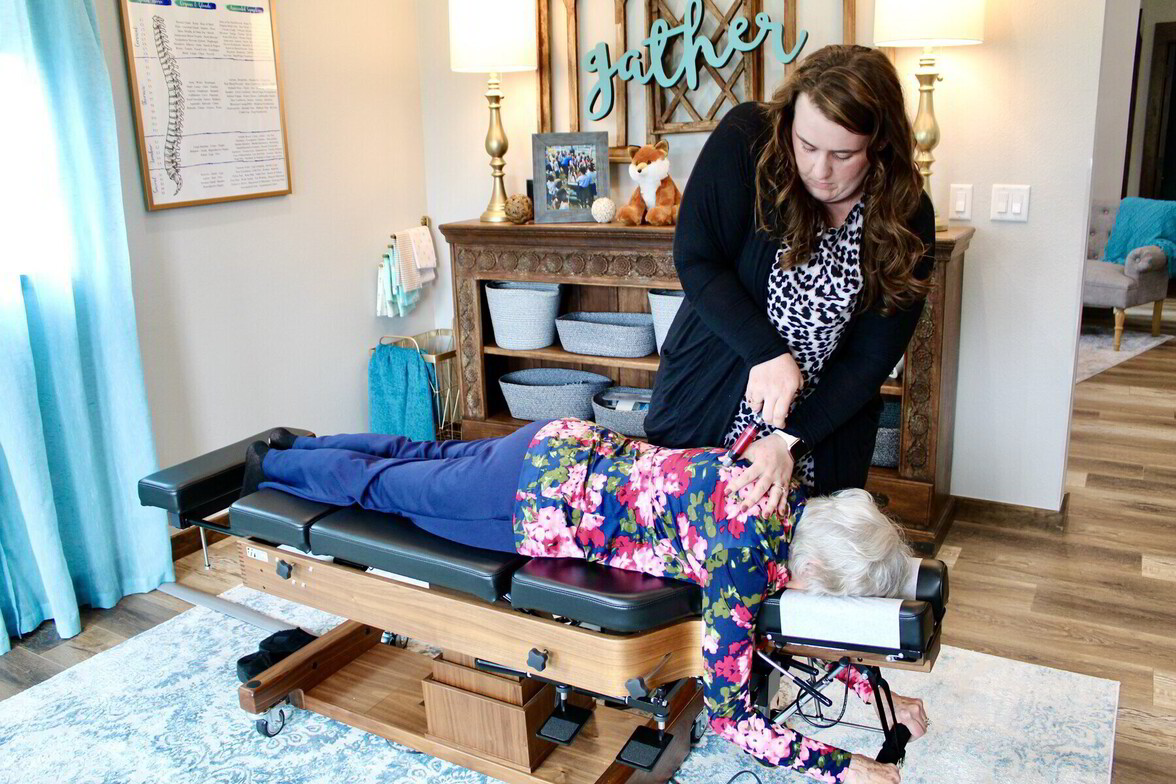
Chiropractic care focuses on the relationship between the body's structure and movement, with particular attention to the spine, joints, muscles, and nervous system. Individuals experiencing back pain, neck pain, joint stiffness, or mobility limitations may seek chiropractic care as part of a conservative approach to musculoskeletal health.
A chiropractor can evaluate posture, joint mobility, movement patterns, and other aspects of musculoskeletal function. Depending on the individual's needs, care may include spinal adjustments, mobility exercises, stretching recommendations, ergonomic guidance, and other conservative approaches. Chiropractic care is not designed to make weather-related pain disappear, but maintaining healthy movement and addressing underlying musculoskeletal concerns may help individuals manage their overall physical well-being.
Keep a Pain and Weather Journal
If you frequently notice pain during weather changes, consider keeping a simple journal. Record your symptoms, activity levels, sleep quality, stress, weather conditions, and any treatments or exercises you complete. Over several weeks or months, you may begin to notice patterns.
For example, you might discover that your discomfort is more closely associated with prolonged inactivity than with rain itself. Understanding these patterns can provide useful information when discussing your symptoms with a healthcare professional.
Don't Let the Weather Stop You From Moving
It can be tempting to stay on the couch when the weather is uncomfortable, but prolonged inactivity may contribute to increased stiffness. Instead, look for ways to stay active indoors. Walking around your home, performing gentle mobility exercises, stretching, using an indoor exercise machine, or participating in an appropriate workout can help maintain movement.
During pleasant weather, outdoor walking, swimming, hiking, and other recreational activities can provide additional opportunities to stay active. Consistency matters more than intensity when it comes to maintaining healthy movement habits.
When Should You Seek Professional Care?
Occasional stiffness or mild discomfort may not be cause for concern, but persistent pain should not simply be blamed on weather changes. If back pain or joint pain continues for several weeks, interferes with sleep, limits your daily activities, becomes progressively worse, or is accompanied by other concerning symptoms, professional evaluation is important.
A healthcare professional can help identify possible causes of your symptoms and determine whether additional evaluation or treatment is appropriate. Understanding the source of pain is more helpful than assuming that weather alone is responsible.
Building Year-Round Musculoskeletal Wellness
Healthy joints and a healthy back require attention throughout the entire year. Maintaining physical activity, practicing good posture, getting adequate sleep, managing stress, eating a balanced diet, and maintaining a healthy weight can all contribute to better musculoskeletal health.
Preventive wellness also means paying attention to changes in how your body feels rather than ignoring recurring symptoms. By developing healthy habits that continue regardless of the season, you can support mobility and remain active even when the weather changes.
Listen to Your Body, Not Just the Forecast
Weather may influence how some people experience existing back or joint pain, but it is only one piece of a much larger picture. Physical activity, sleep, stress, previous injuries, health conditions, and daily habits can all affect pain and mobility. Rather than allowing changes in temperature, humidity, or atmospheric pressure to dictate your activity level, focus on maintaining healthy movement and paying attention to what your body is telling you.
With appropriate lifestyle habits and professional guidance when needed, you can continue supporting your joint health, back health, and overall wellness throughout every season.
Book Your Consultation Today
At Vitality Chiropractic in Keller, TX , we help patients take a proactive approach to musculoskeletal health through personalized chiropractic care. If weather changes seem to make your back pain, joint pain, stiffness, or mobility concerns more noticeable, our team can evaluate your individual needs and develop a care plan focused on improving movement and supporting long-term wellness.
Whether you're dealing with recurring discomfort or simply want to stay active and maintain healthy mobility throughout the year, we're here to help.

Brandi Barker
Contact Me